

Where to Go in Portugal This Summer
Planning a summer trip to Portugal and not sure where to start?
This guide brings together some of the country’s most interesting places to visit during the warmer months. Whether you want to see historic towns, explore quiet villages or enjoy a day by the water, here are seven destinations that show different sides of Portugal, and might help you decide your next stop.
Lisbon
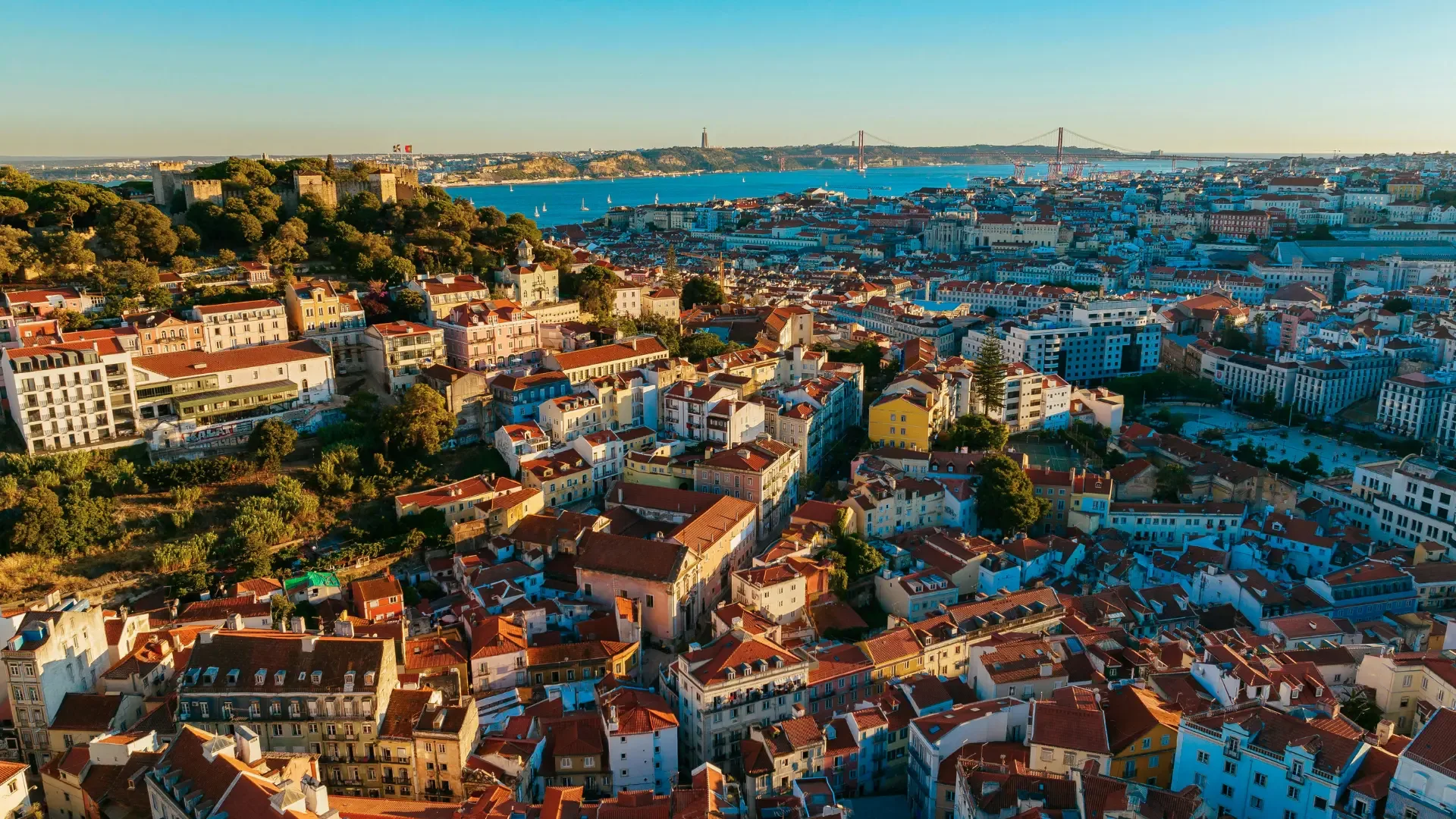
Lisbon is Portugal’s capital and main entry point for many travellers. It is a city that mixes different layers of history, from Roman ruins to buildings from the age of exploration and post-earthquake reconstruction in the 18th century.
In summer, it is best to start early to avoid the heat and enjoy the calm of the morning. Explore the older neighbourhoods of Alfama and Mouraria on foot, take a break in a shaded miradouro or use the tram to climb the city’s hills. Down by the river, Belém offers museums, monuments and a famous pastry shop.
Travel tip: Most museums are free on Sunday mornings. Also, avoid restaurants in the busiest tourist areas and look for places where locals eat, especially in Graça or Campo de Ourique.


Sintra
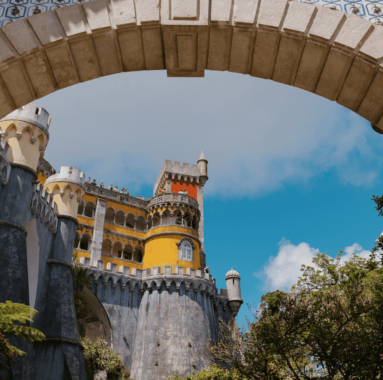
Sintra is a small town about 40 minutes from Lisbon and is known for its palaces and forested hills. It was once a summer retreat for Portuguese royalty, and today it is one of the country’s most visited spots.
The colourful Pena Palace and the mysterious Quinta da Regaleira are the most popular attractions, but there is more to see. The Moorish Castle offers wide views, and Monserrate Palace is often quieter and just as beautiful. Sintra is also close to beaches like Praia da Adraga or Azenhas do Mar.
Travel tip: Get there early and book tickets in advance to avoid waiting. If you want a more peaceful experience, visit the town centre and walk to local cafés and smaller gardens.



Monsaraz
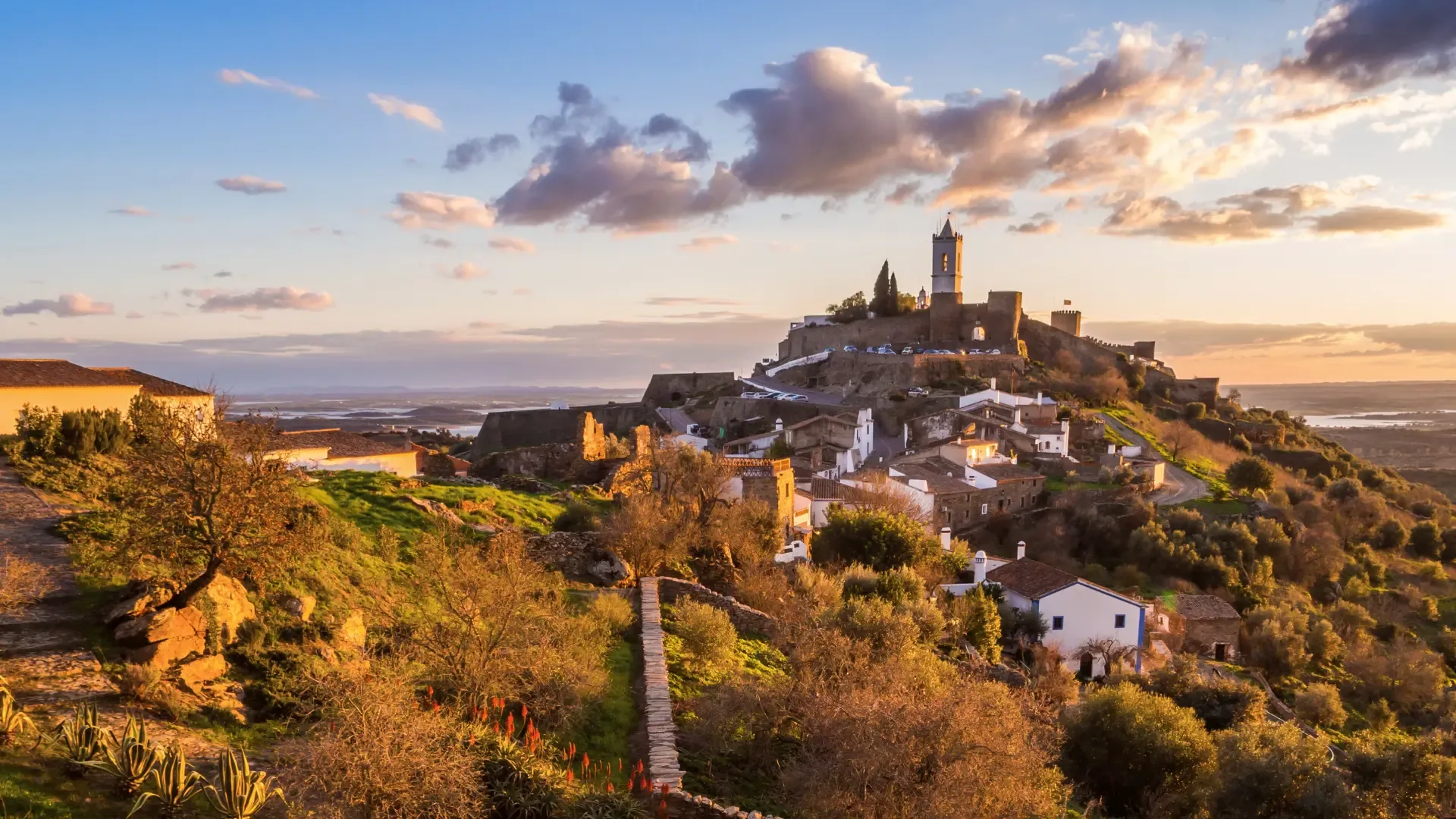
Monsaraz is a walled village in the Alentejo region near the Spanish border. It sits on top of a hill overlooking the Alqueva Lake and is known for its quiet streets, whitewashed houses and peaceful views.
There is not a long list of things to do here, but that is part of the charm. Visit the castle, walk through the streets and enjoy the sunset. The area is also part of a dark sky reserve, ideal for stargazing at night.
Travel tip: Try the local food and wines. Many small restaurants serve traditional dishes made with regional ingredients. Book in advance if you’re staying overnight, as rooms are limited.


Fátima
Fátima is known as a religious destination, attracting millions of visitors each year. It became famous after 1917, when three children reported seeing the Virgin Mary in a field near the town. The Sanctuary of Fátima now includes several chapels and a large square where many events are held.
Even if you are not visiting for religious reasons, Fátima can be a quiet stop on your trip. The atmosphere is respectful and calm, and the area has good infrastructure for visitors.
Travel tip: Visit in the evening when the esplanade is lit with candles and the site is less crowded. It is one of the few places in Portugal where silence is part of the experience.



Douro Valley
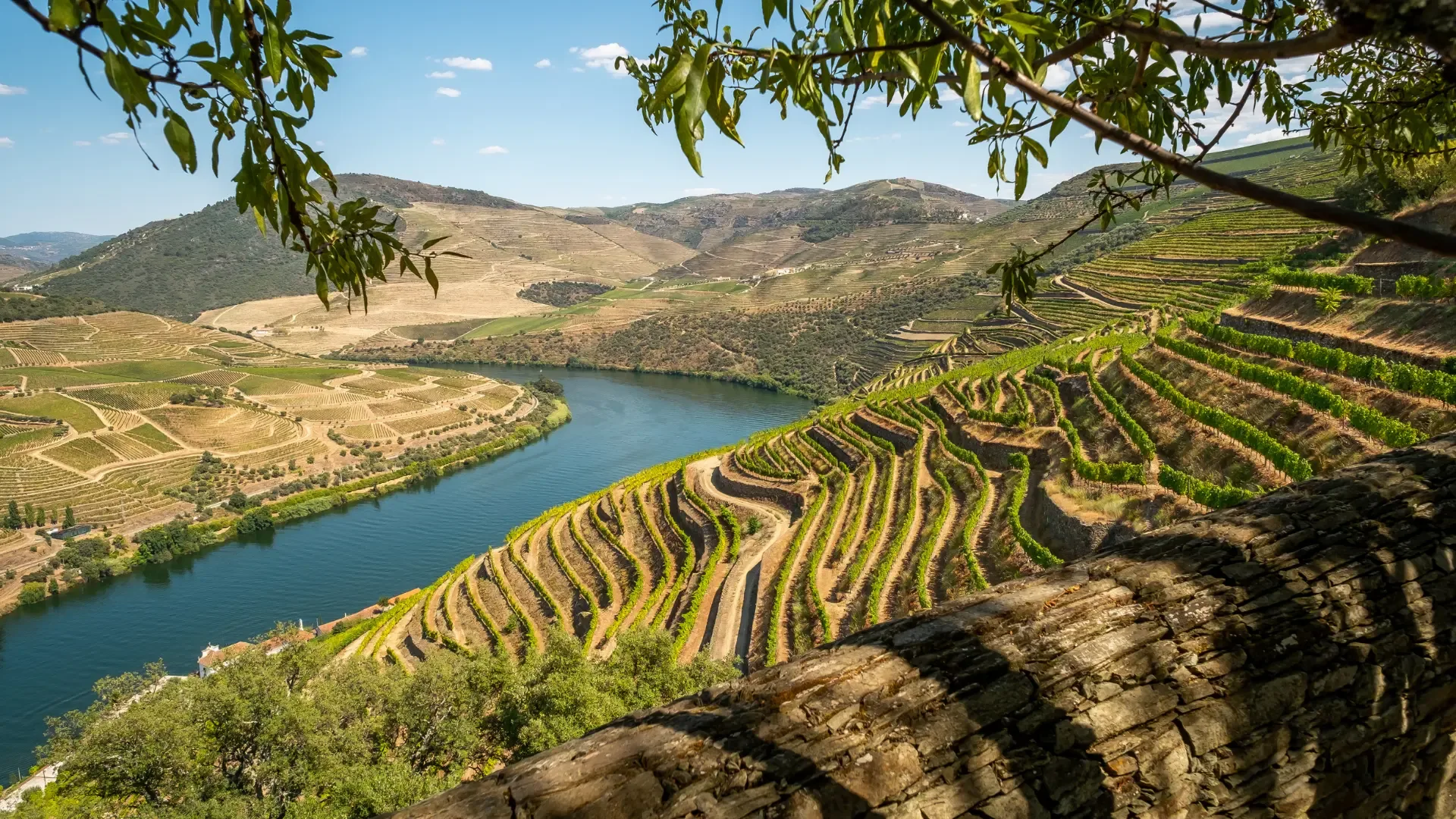
The Douro Valley is in northern Portugal and is best known for its wine production and terraced hills along the river. In summer, the region is green and warm, and the views from the train or car routes are among the best in the country.
The small towns of Peso da Régua, Pinhão and Lamego are good bases to explore the area. Many wine estates offer visits and tastings. You do not need to be a wine expert to enjoy the trip, the combination of nature and culture is what makes it special.
Travel tip: Take the train from Porto along the Douro line to enjoy the views. If you plan to visit more than one vineyard, try to stay overnight and avoid driving.
Berlengas
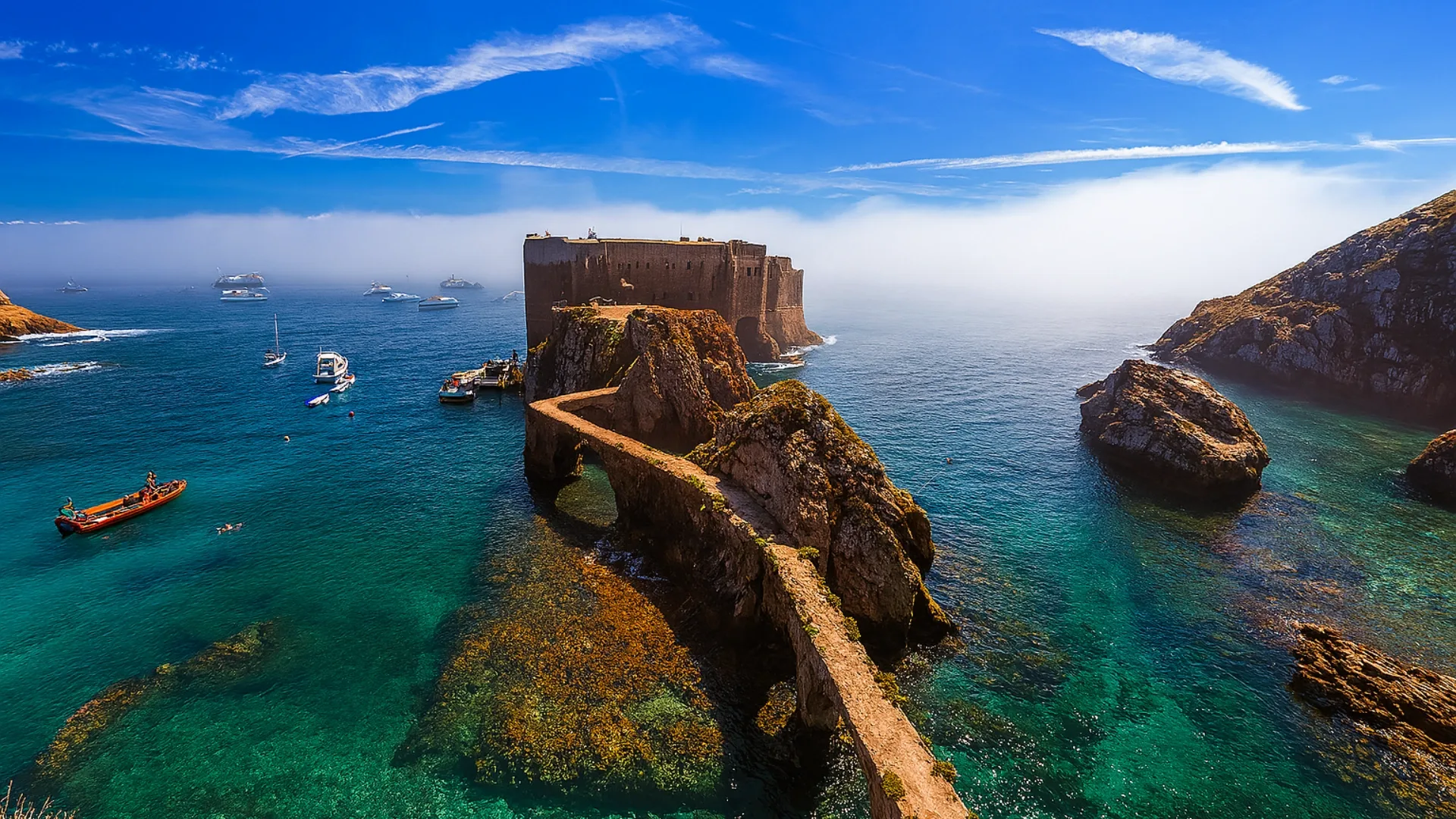
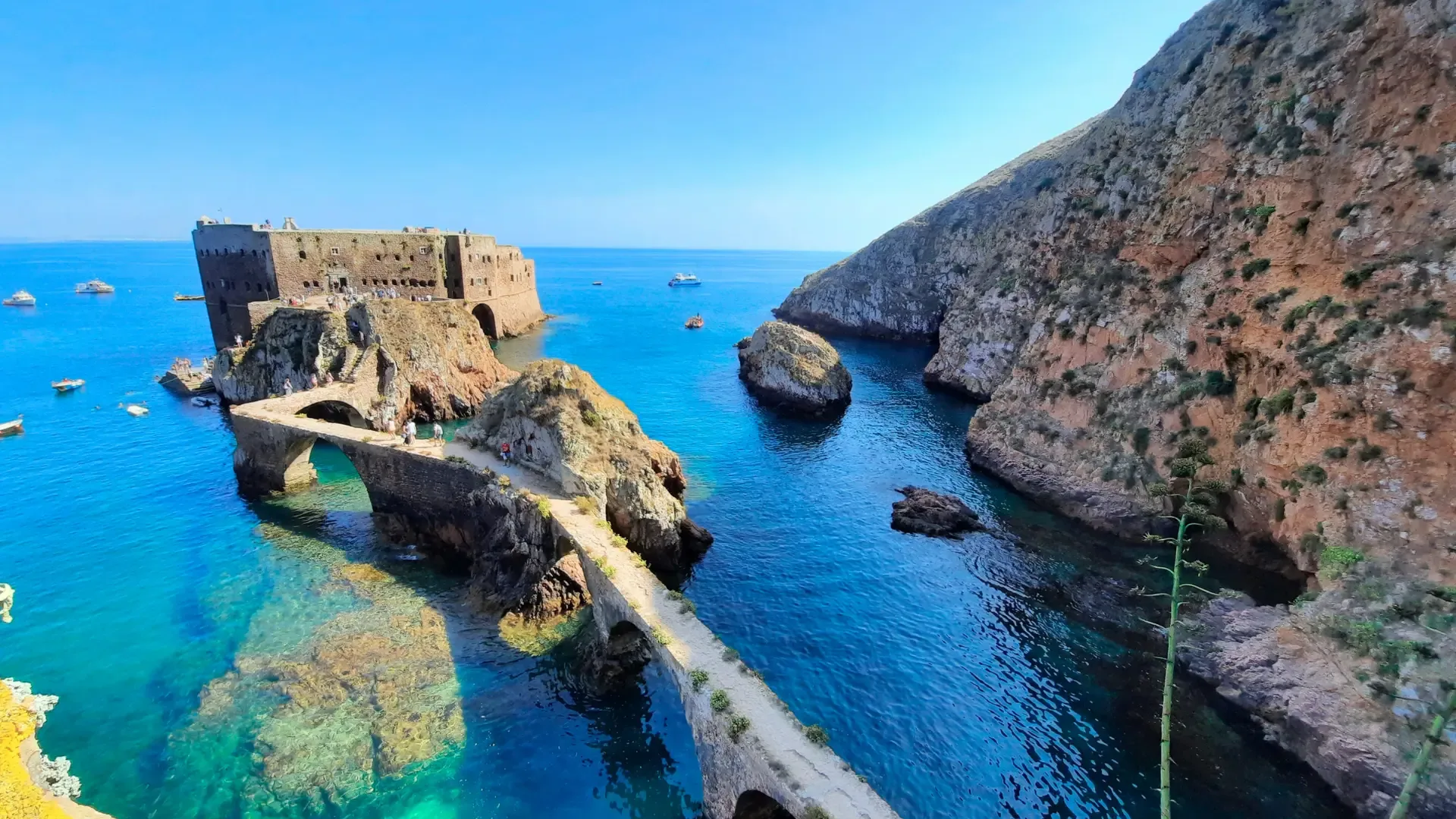
The Berlengas Islands are located off the coast of Peniche and are part of a protected natural reserve. The main island can be visited in summer by boat and is perfect for a day trip if you are looking for nature and clear waters.
There are hiking paths, a small beach, a 17th century fort and caves you can explore by kayak or boat. Because it is a protected area, the number of visitors is limited, so plan in advance.
Travel tip: Bring water, food and good shoes. There are few services on the island, and everything must be carried in and out. Respect the rules to protect the local wildlife.

Tomar
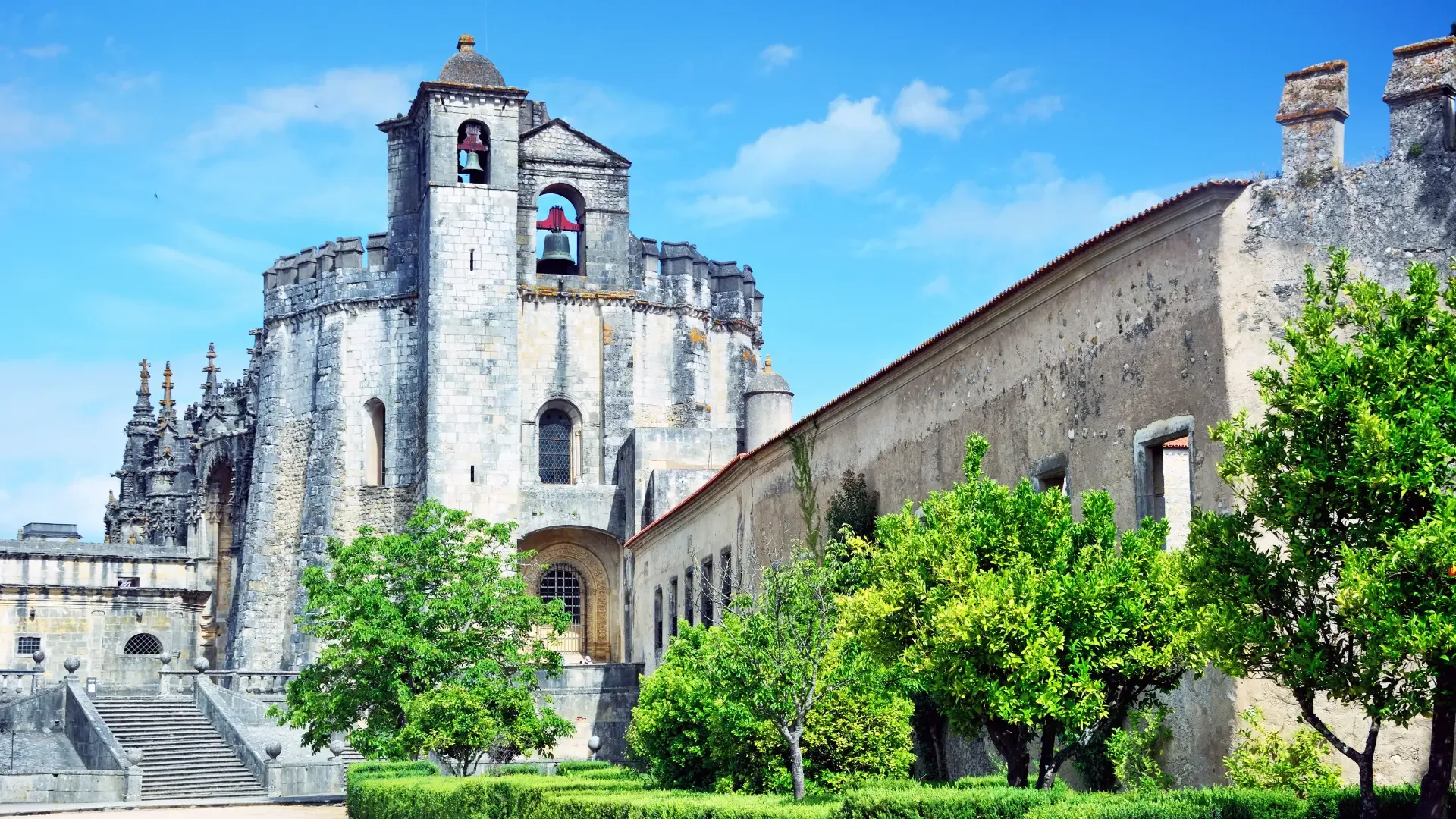
Tomar is one of Portugal’s most interesting towns historically, especially if you enjoy stories about the Knights Templar. The town was once the centre of the Templar Order in Portugal, and the Convent of Christ is a massive site filled with layers of architecture and symbols.
The town itself is pleasant to walk through, with gardens along the Nabão River, old cafés and streets that haven’t changed much in decades. Summer is a good time to explore the town and stop for a quiet lunch under the trees.
Travel tip: Don’t skip the Charola (a round church inside the convent) and look for Manueline windows that tell stories from the time of Portuguese exploration.


Final Thoughts:
Portugal is a country that offers variety in a small space. In summer, it becomes a perfect mix of accessible cities, small villages and outdoor experiences. From the streets of Lisbon to the calm of Monsaraz, from the mystery of Tomar to the waters of the Douro, each destination shows a different piece of the country’s identity.
Want to go further?
At The Cooltours, we help you discover Portugal in a thoughtful and simple way. Browse our experiences and find the next stop in your journey.
FAQ
1. What are the best places to visit in Portugal during summer?
Top summer destinations include Lisbon, Sintra, Monsaraz, Fátima, the Douro Valley, the Berlenga Islands, and Tomar. Each offers a different side of Portugal.
2. Is Lisbon worth visiting in summer?
Yes. Start early to beat the heat, explore Alfama and Belém, and enjoy viewpoints. Museums are free on Sunday mornings.
3. How to visit the Berlengas in summer?
Take a boat from Peniche between May and October. Book ahead—visitors are limited. Bring water, food, and comfortable shoes.
4. What to do in Sintra on a summer day?
Visit Pena Palace, Quinta da Regaleira, and Monserrate. Arrive early and book tickets online to avoid queues.
5. Can I visit Óbidos and Berlengas in the same day?
Yes, with careful planning. Many travelers explore Óbidos in the morning and take the afternoon boat to Berlengas.
6. Where to go for wine tourism in Portugal in summer?
The Douro Valley is ideal, with vineyard tours, tastings, and scenic river views.
7. Which historic villages are great for a summer visit?
Monsaraz and Tomar offer rich heritage, great views, and fewer tourists compared to larger cities.