

Fátima is not just a small town in central Portugal, it is one of the most visited religious sites in the world, drawing millions of pilgrims and curious travellers every year. What makes this quiet place extraordinary is a story that began in 1917, when three shepherd children claimed to have witnessed apparitions of the Virgin Mary. Over a century later, the Sanctuary of Fátima has grown into a monumental pilgrimage centre, blending faith, history, myth and culture in a way that fascinates believers and non believers alike.
The 1917 Apparitions
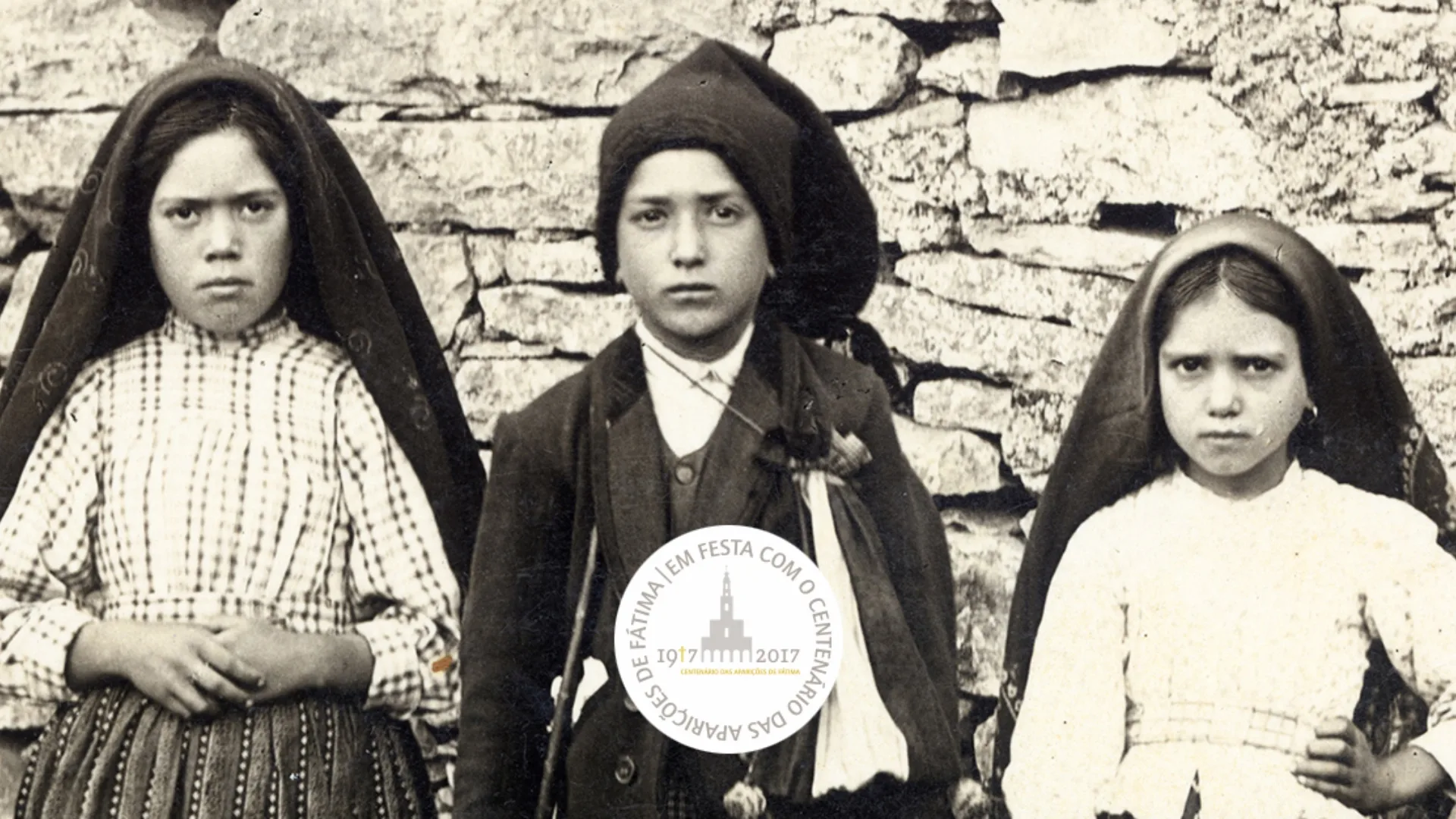
The story begins with three children, Lúcia dos Santos and her cousins Francisco and Jacinta Marto, who reported a vision while tending sheep near Cova da Iria. According to their account, the Virgin Mary appeared six times between May and October of 1917, delivering messages that called for prayer, repentance and devotion. The most dramatic of these events took place on 13 October, when thousands of people gathered after hearing of the visions. Many reported witnessing the so called Miracle of the Sun, describing the sun as dancing, spinning or zigzagging across the sky in a way that defied natural explanation. For some it was proof of divine presence, for others it was atmospheric phenomena, yet for all it marked Fátima forever.
From Local Vision to Global Pilgrimage
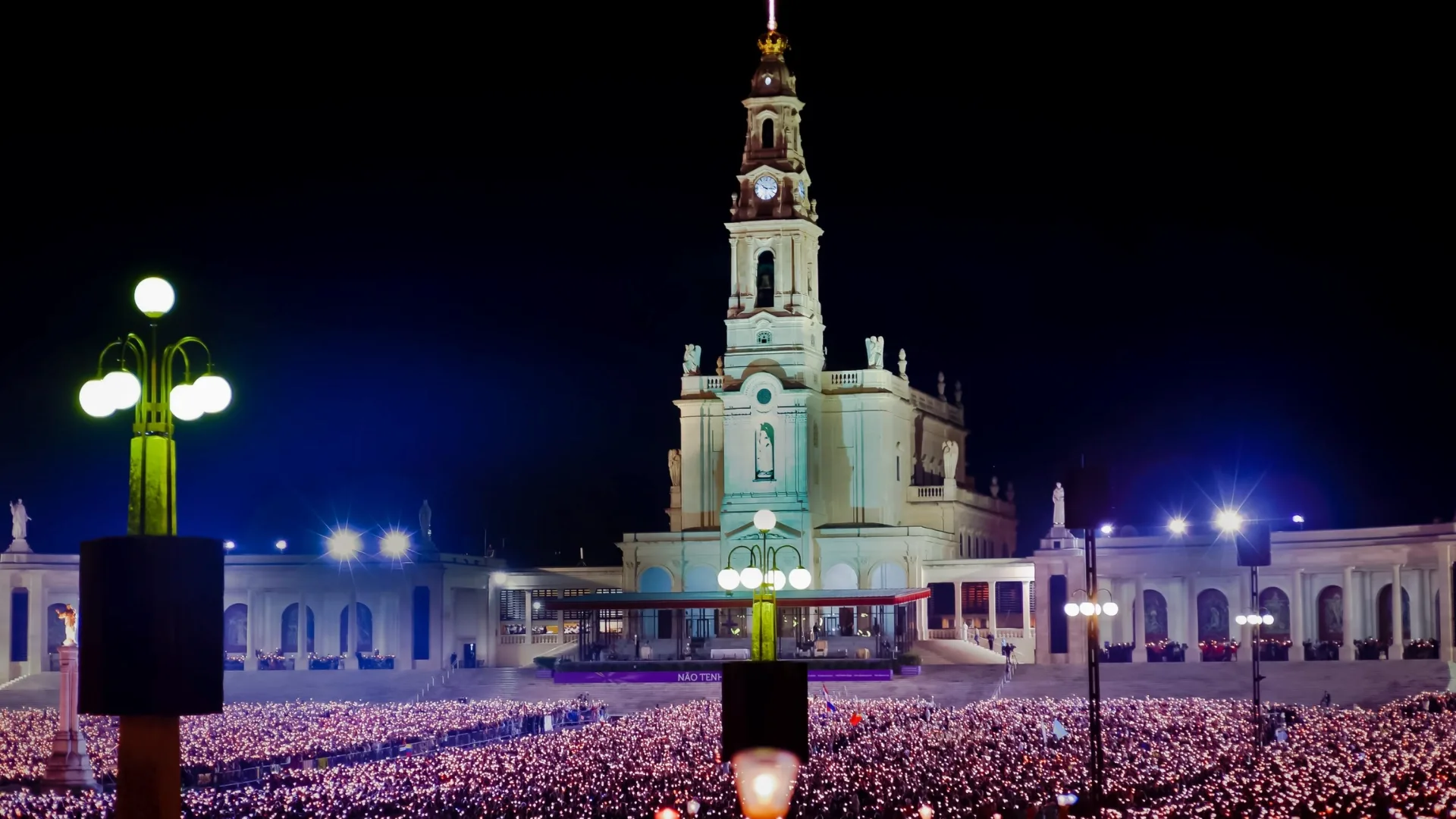
What started as local accounts of children quickly grew into a movement of faith that spread across Portugal and far beyond. The Catholic Church, after careful investigation, officially recognised the apparitions in 1930. This validation transformed Fátima into one of the most important Marian shrines in the world, on par with Lourdes in France and Guadalupe in Mexico. Pilgrimages became annual traditions, especially on 13 May and 13 October, when hundreds of thousands of people walk, pray and light candles in an atmosphere that is both solemn and moving.
The Sanctuary of Fátima
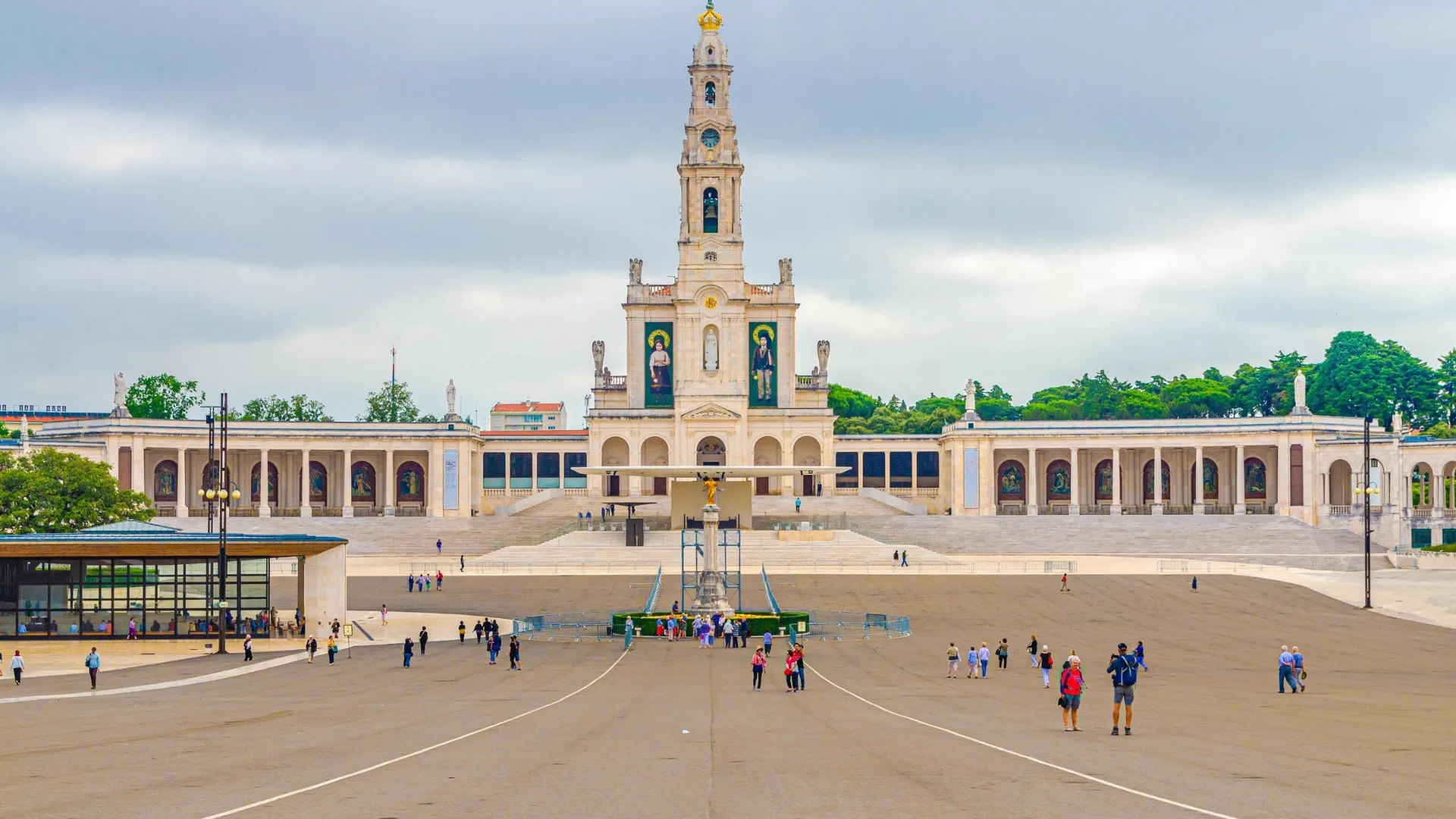
At the heart of the town lies the Sanctuary of Our Lady of Fátima, an impressive religious complex that includes the Basilica of Our Lady of the Rosary, where the tombs of the three children rest, and the modern Basilica of the Holy Trinity, which can accommodate up to 8,600 people. The open esplanade between them is often filled with pilgrims, some crossing it on their knees as an act of devotion. The Chapel of Apparitions, built on the exact spot where the visions were reported, remains the spiritual core of the site, its simplicity contrasting with the grandeur of the basilicas around it.
Myths, Secrets and Curiosities
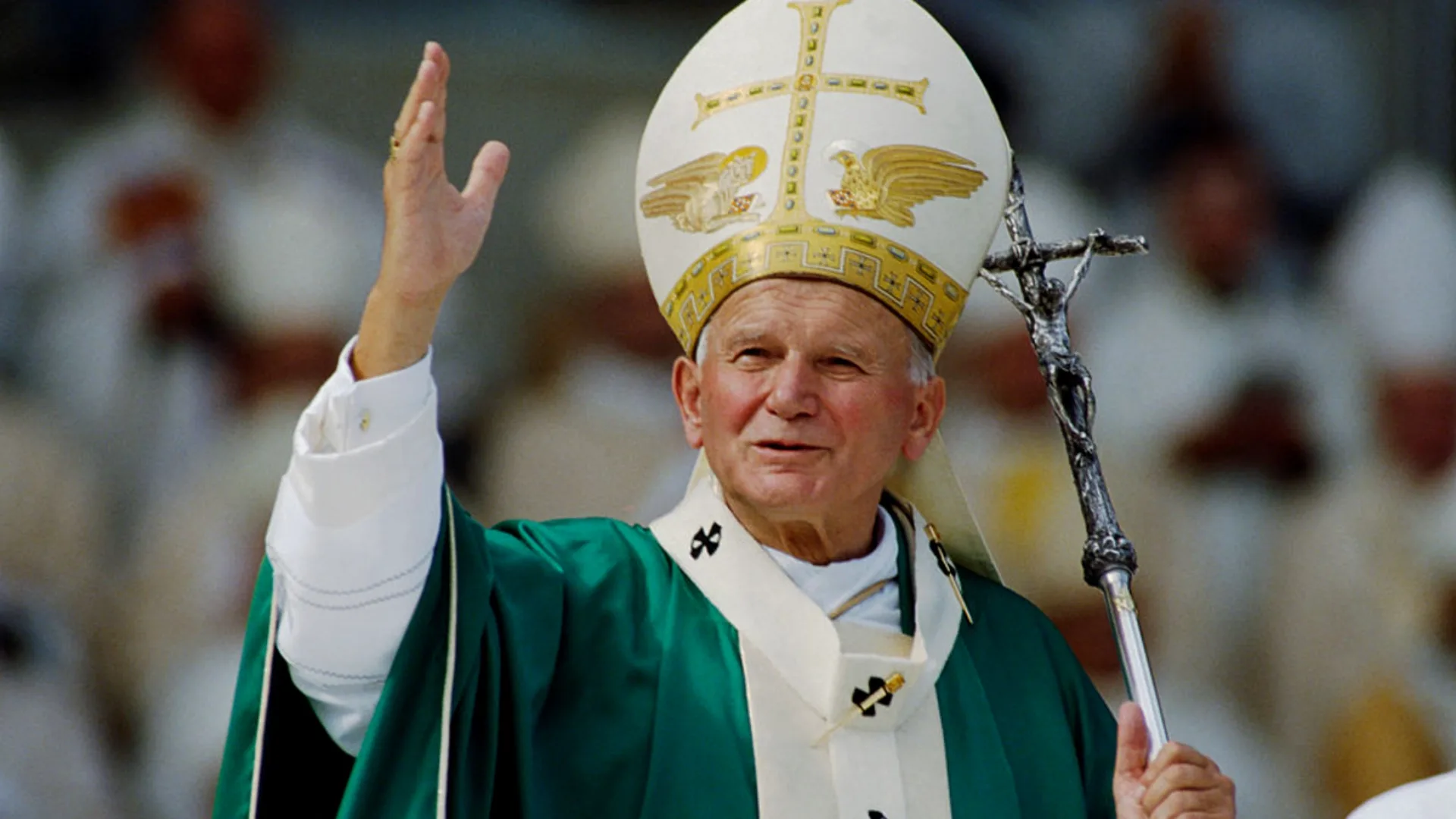
One of the most intriguing aspects of Fátima is the story of the so called Three Secrets, revelations that Lúcia claimed to have received from the Virgin Mary. The first two secrets, concerning visions of hell and prophecies about World War II, were revealed early, but the third was kept sealed until the year 2000, when the Vatican interpreted it as a reference to the 1981 assassination attempt on Pope John Paul II. The mysteries surrounding these secrets have sparked endless debate, conspiracy theories and fascination among pilgrims and scholars alike. Another curiosity is that both Francisco and Jacinta Marto were canonised in 2017 by Pope Francis, making them the youngest non martyr saints in the history of the Catholic Church. Their cousin Lúcia, who lived until 2005 as a Carmelite nun, is now on the path to beatification.
Fátima Today
More than a century after the first apparition, Fátima remains a destination of faith and reflection. Each year around six million visitors travel to the town, not only Catholics but also tourists drawn by history, spirituality and culture. The atmosphere during major pilgrimages is unforgettable, with candlelight processions, prayers in dozens of languages and a sense of unity that transcends borders. Even outside the peak dates, the sanctuary and surrounding museums, chapels and cultural spaces offer an experience of peace and contemplation.
FAQ
1. Who were the three children who saw the apparitions?
They were Lúcia dos Santos, aged 10, and her cousins Francisco Marto and Jacinta Marto, aged 9 and 7.
2. Why six apparitions and not more?
The Lady promised to visit from May to October on the 13th of each month, making a total of six official apparitions, culminating in the October event and the Miracle of the Sun.
3. What are the “three secrets” of Fátima?
They include a vision of Hell, prophecies about future wars and persecutions, and a final secret interpreted by some as relating to the 1981 assassination attempt on Pope John Paul II.
4. Is the Miracle of the Sun scientifically explained?
There is no universally accepted scientific explanation. Skeptics suggest atmospheric or optical theories, but many believe it was supernatural. The Catholic Church treats it as an event of faith rather than a phenomenon explained by science.
5. Can non Catholics visit and participate?
Yes, the Sanctuary welcomes people of all faiths. While its heart is Catholic devotion, many visitors come for cultural, historical and touristic reasons rather than purely religious ones.
6. How many pilgrims visit Fátima each year?
Millions attend annually, with May 13 and October 13 alone attracting hundreds of thousands. The sanctuary reports more than four million visitors per year.
7. What is the best way to get to Fátima from Lisbon?
A private transfer or guided tour is the most convenient, offering direct service and avoiding the stress of parking or logistics. Buses exist but are less flexible, and trains do not run directly to Fátima.